"To Keep in Memory"
Welcome:
My aim in building this website is to commemorate the men of the two villages in the parish who served during the two world wars of the 20th Century.
I began researching the men named on the war memorials in the villages more than 30 years ago, but my interest in who these men might be goes back much further, probably further than I am able to remember, but at least as far as primary school, when I would walk past the memorial in Scholes twice each day.
Originally, the work was confined to the war dead who are named on the two main war memorials in the villages, in Scholes and Barwick, but as is common with projects such as this, much information has become available relating to other men from the villages who served in war and returned home afterwards, and it is equally important to remember their contributions too. It helps to provide context to our understanding of the two world wars and provides a ready illustration that, though the numbers who did die were enormous, the popular belief that during the Great War of 1914 - 1918, an entire generation was wiped out is simply a myth. Without seeking to play down the enormity of the casualty figures, it is important to see that the number of people who died because of the Great War amounted to a little over 10% of those who served, which is by any standard, a small minority.
For those families who lost a son, a brother, a father or husband, their loss was still keenly felt, and because so many men and women were lost in the Great War, the grief and shock were felt in every corner of the country.
The villages of Scholes and Barwick were no different and are no different now. Remembrance Sunday church services and the parades at the memorials in the villages have witnessed a steadily increased attendance over my lifetime. Despite the fact that the generation that fought in the Great War has now died out, there is no less of a turn out each November. Even though there is now no living link to the armed forces that fought the German Army to a standstill, and ultimate defeat, on the Western Front, the villagers here do not forget the sacrifice those people made, whether it be to lose their lives, or to suffer wounds, or to be captured and held captive as a prisoner of war, or to leave their homes, families and businesses to fight. That generation of 1914 - 1918 has not been, and will not be, forgotten in this part of Leeds.
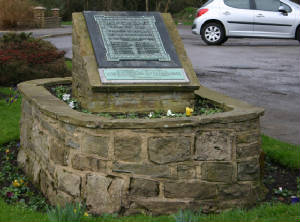
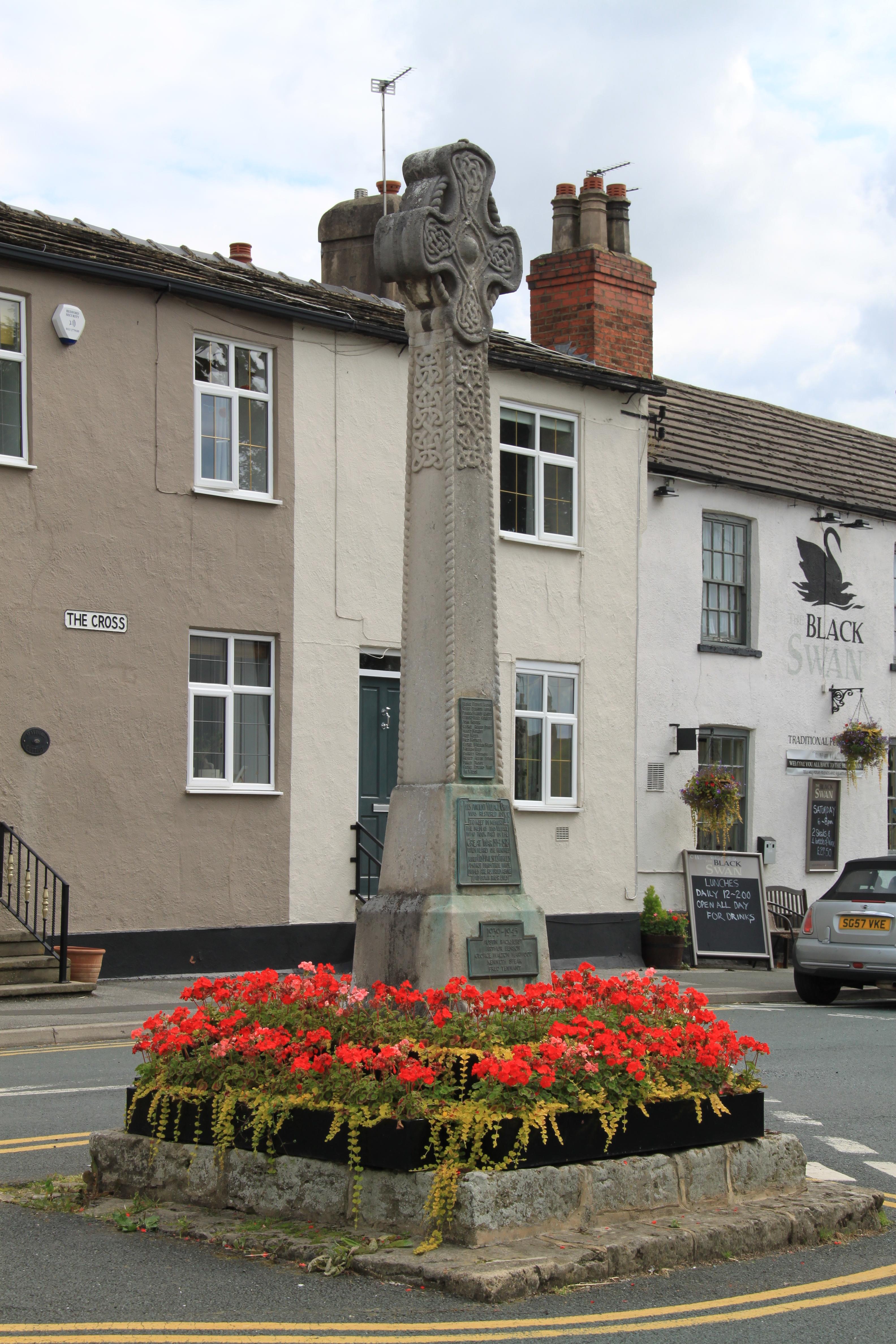
We are also fortunate that we still have amongst us a few of those people who went to war between 1939 - 1945, but their number reduces steadily as time goes by.
It is my belief that the hard-won legacy of freedom, expensively secured for us by that generation of 1939 - 1945 imposes upon us a duty to remember them also. And to truly remember, we have to learn of those people, who they were, what they did, what they were prepared to sacrifice in order to restore liberty to the conquered peoples of world, and peace to their families who waited at home for their return.
This web site attempts to identify who those people were from this part of the world, and, in some way, to tell their stories.
As is the case with many memorials the length and breadth of the country, some men who died were not included and research is ongoing to try to identify who these men were. There are many reasons why the names of some people were not included on a memorial and often it was at the request of the family that their loved one was not listed among those of their comrades. I will, however, list the names of any men or women from the parish that I find who have either died in service, or as a result of it, and those who served and returned.
These are the stories of the men of Barwick and Scholes who left all that was dear to them, those who did not return, and those who did.